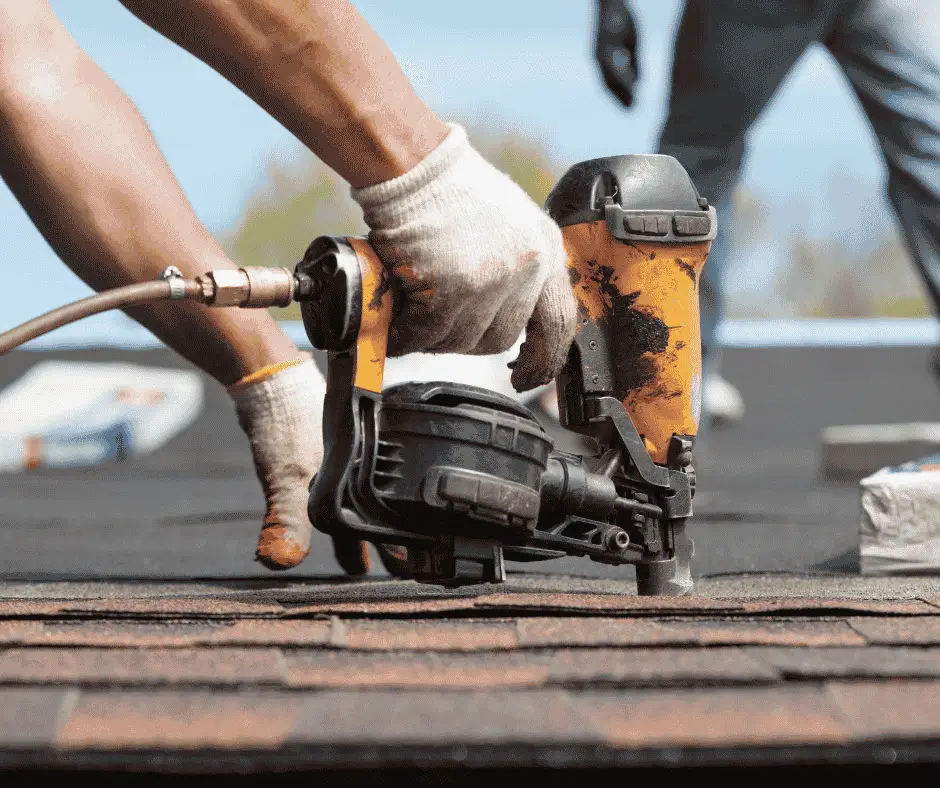
Getting a New Roof? Don't Forget These 7 Important Details
A new roof is one of the biggest investments most homeowners will make.
Whether your roof is being replaced because of storm damage, age, or an insurance claim, it’s easy to focus on shingle colors, warranties, and contractor selection. But roofing professionals often see homeowners overlook several important details that can impact how well that new roof performs for years to come.
Before your roofing project begins, make sure these seven items are on your checklist.
1. Review Your Roof Warranty Carefully
Not all roof warranties are created equal.
Ask your contractor what is covered, how long coverage lasts, and whether workmanship is included. Understanding the details now can help prevent surprises later.
2. Inspect Your Gutters and Drainage System
Your roof does more than keep water out, it works together with your gutter system to move water away from your home.
If gutters are damaged, undersized, or improperly pitched, you could experience water issues even with a brand-new roof.
3. Check for Existing Decking Damage
Once old shingles are removed, contractors often discover hidden damage underneath.
Rotting roof decking, moisture damage, or structural issues should be addressed before new roofing materials are installed. Skipping repairs today can lead to much larger problems tomorrow.
4. Ask About Local Building Code Requirements
Building codes change over time. Depending on your location, your new roof may need to meet updated standards for underlayment, flashing, ventilation, or other components.
Asking questions before work begins can help you understand what improvements may be required.
5. Don’t Forget About Your Attic
This is one of the most overlooked parts of a roofing project.
Many homeowners never think about their attic when replacing a roof. After all, the work is happening outside, right?
Not exactly.
Your attic plays a major role in how well your roof performs.
During the summer, attic temperatures can soar well above outdoor temperatures. Without proper airflow, excessive heat and trapped moisture can build up beneath your roofing system.
Over time, this can contribute to:
- Higher cooling costs
- Uneven indoor temperatures
- Moisture-related issues
- Increased stress on roofing materials
Many roofing contractors now inspect attic ventilation as part of the roof replacement process because the roof and attic work together as a complete system.
6. Verify Your Home Has Adequate Ventilation
Proper attic ventilation helps remove excess heat and moisture throughout the year.
Unfortunately, many homes have insufficient airflow, blocked vents, or ventilation systems that no longer meet modern recommendations.
If you’re already investing in a new roof, it’s worth asking your contractor whether your attic ventilation is adequate for your home’s size and design.
In some cases, improvements can be made while roofing work is already underway, potentially saving time and future expense.
7. Think Beyond Today’s Roof
Most homeowners hope their new roof will last decades.
The best way to maximize that investment is to think beyond shingles alone.
Roofing professionals increasingly emphasize the importance of the entire roofing system, including underlayment, flashing, drainage, insulation, and attic ventilation.
When all of these components work together, homeowners often experience better comfort, improved energy efficiency, and longer-lasting roof performance.
The Detail Most Homeowners Wish They Had Known Earlier
Ask any roofing contractor what homeowners forget most during a roof replacement, and attic ventilation is likely near the top of the list.
Because it’s out of sight, it’s often out of mind.
But proper attic airflow can play an important role in helping your roof perform as intended while reducing heat buildup and moisture accumulation throughout the year.
Before your roofing project begins, ask your contractor one simple question:
"Is my attic ventilation adequate for my new roof?"
The answer could have a bigger impact on your home than the shingles themselves.
To learn more about modern attic ventilation solutions and why roofing professionals are paying closer attention to attic airflow, visit Attic Breeze.
If your contractor identifies ventilation concerns, now is the perfect time to address them while your roof project is underway. Explore Attic Breeze’s attic ventilation products to see how improved airflow can help reduce heat buildup, manage moisture, and support long-term roof performance.
👉 Browse Attic Breeze products: https://atticbreeze.com/all-products